Portugal’s Other Side: Beyond the Algarve
Tired of the crowds in Lisbon and the Algarve? Discover the true soul of Portugal. This guide takes you off the beaten path to the vast plains of Alentejo, the wild waves of the Silver Coast, and the green mountains of the North. Your authentic Portugal adventure starts here.
Einige Links in diesem Artikel sind Affiliate-Links. Wir erhalten eine kleine Provision bei einem Kauf — der Preis bleibt für dich gleich. So unterstützt du unsere Arbeit. Als Amazon-Partner verdienen wir an qualifizierten Verkäufen.
Beyond Lisbon’s Trams and Algarve’s Beaches
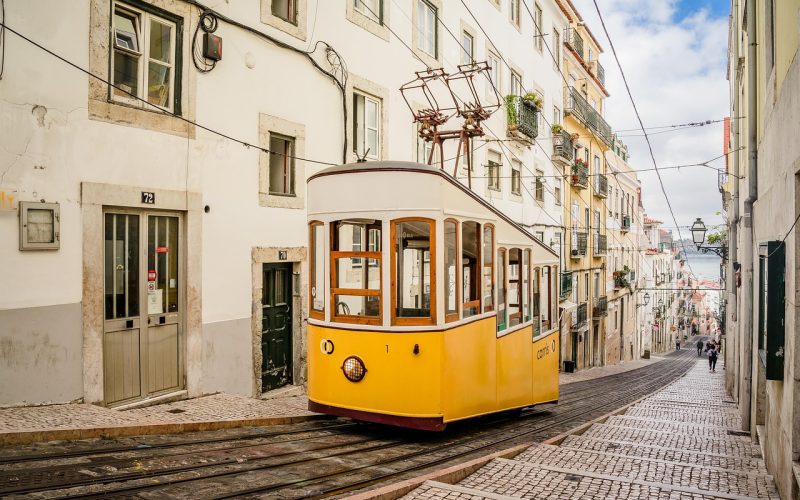
When you picture a trip to Portugal, your mind likely conjures images of Lisbon’s yellow tram 28 rattling through historic streets or the sun-drenched, golden cliffs of the Algarve. While these destinations are undeniably beautiful and popular for a reason, they represent only a fraction of what this diverse and captivating country has to offer. True Portuguese soul is often found just beyond the well-trodden tourist trails, in regions where tradition is palpable, landscapes are raw and untamed, and the welcome is as warm as the summer sun.
This guide is for the traveller looking to go deeper. We will bypass the busiest hubs to explore the vast plains of the Alentejo, ride the giant waves of the Silver Coast, hike through the granite mountains of the North, and discover the volcanic wonders of the Azores. This is a journey into the heart of Portugal, a land of quiet beauty, rich history, and unforgettable experiences.
The Alentejo: A Journey Through Time and Terroir
Stretching south from the River Tejo to the mountains of the Algarve, the Alentejo is Portugal’s largest and most sparsely populated region. It’s a land of rolling plains, ancient cork forests, whitewashed villages perched on hilltops, and a pace of life that forces you to slow down. A road trip here is not just a suggestion; it’s essential for soaking in the vast, serene landscapes.
Évora: The Museum City
The region’s capital, Évora, is a UNESCO World Heritage site and a must-visit. Its history stretches back over two millennia, evident in its impressive Roman Temple, Gothic Cathedral, and the hauntingly beautiful Chapel of Bones (Capela dos Ossos). Spend a day wandering its labyrinthine streets, discovering hidden courtyards, and understanding why it’s considered an open-air museum. For a deeper dive into the city’s complex past, a guidebook like the Lonely Planet Reiseführer can be an invaluable companion.
The Cork Route and Marble Towns
The Alentejo produces over half of the world’s cork. Driving through the countryside, you’ll see countless cork oaks, their bark stripped in a sustainable harvest that occurs only once every nine years. Further east, towards the Spanish border, the landscape changes as you enter the ‚marble zone.‘ Towns like Estremoz, Borba, and Vila Viçosa are built from it – from pavements to palaces, the brilliant white stone is everywhere.
The Wild Alentejo Coastline
Often overlooked, the Costa Vicentina is one of Europe’s most stunning and preserved coastlines. Part of a protected natural park, it features rugged cliffs, hidden coves, and some of the country’s best, and least crowded, beaches. It’s a paradise for surfers, hikers, and anyone seeking solitude. Remember to stay hydrated under the strong sun; a Faltbare Trinkflasche is perfect for refilling and carrying with you on long coastal walks.
The Silver Coast (Costa de Prata): A Surfer’s and History Lover’s Paradise
Stretching from north of Lisbon to south of Porto, the Costa de Prata, or Silver Coast, is a region of dramatic contrasts. Here, world-class surf breaks meet fairy-tale castles, and sleepy fishing villages exist alongside vibrant coastal towns. The Atlantic winds can be strong here, making a good Wasserdichte Regenjacke a smart packing choice, even during summer months.
Nazaré’s Giant Waves
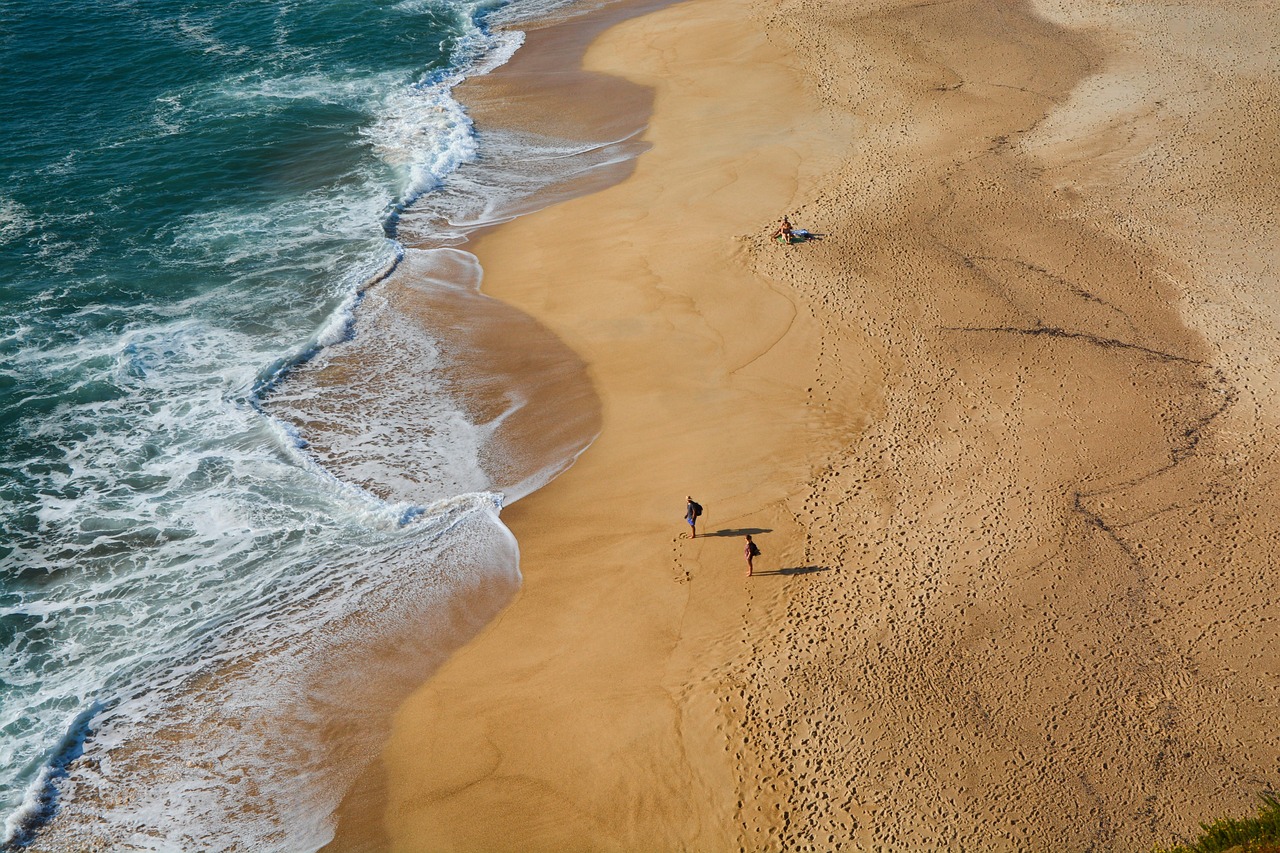
Once a quiet fishing town, Nazaré has become the global epicentre for big wave surfing. Between October and March, an underwater canyon generates monstrous waves that challenge the world’s most elite surfers. Even if you’re not there in winter, the town’s stunning beach, traditional culture (look for the fish-drying racks), and the breathtaking views from the Sítio headland make it a worthy stop.
Óbidos: The Walled Medieval Town
Step back in time in Óbidos, a perfectly preserved medieval town encircled by fortified walls. Walk the ramparts for panoramic views, get lost in its cobblestone alleys adorned with bougainvillaea, and don’t leave without tasting the local cherry liqueur, Ginjinha, traditionally served in a small chocolate cup. It’s a photographer’s dream and a highlight of any trip to the region.
The North: Portugal’s Green Heart and Birthplace
The North is where the story of Portugal began. It’s a region of lush, green landscapes, granite mountains, deep river valleys, and profound historical significance. This is a land for hikers, wine lovers, and those interested in the origins of the nation.
Peneda-Gerês National Park: A Hiker’s Dream
Portugal’s only national park, Peneda-Gerês is a wild and rugged sanctuary bordering Spain. It’s a landscape of granite peaks, dense forests, cascading waterfalls, and ancient Roman roads. Home to wild Garrano ponies and the Iberian wolf, it’s a paradise for nature lovers. Exploring its numerous marked trails requires proper gear; sturdy Wanderschuhe are non-negotiable for tackling the terrain safely and comfortably.
Guimarães and Braga: The Cradle of the Nation
Guimarães is famously known as the ‚birthplace of Portugal,‘ where the country’s first king, Afonso Henriques, was born. Its beautifully restored medieval centre is a UNESCO World Heritage site. A short distance away is Braga, Portugal’s religious heart, with a stunning cathedral and the magnificent Bom Jesus do Monte sanctuary, with its iconic baroque staircase. These two cities offer a dense and fascinating lesson in Portuguese history and culture.
The Azores: Europe’s Volcanic Outpost in the Atlantic
A nine-island archipelago located 1,500 km off the coast of Lisbon, the Azores are a world apart. This is a land of dramatic volcanic landscapes, lush green pastures, hydrangeas lining every road, and unparalleled opportunities for whale watching and hiking. Each island has its own unique character, but all share a sense of remote, raw beauty.
São Miguel: The Green Island
As the largest and most accessible island, São Miguel is the perfect introduction to the Azores. Explore the twin crater lakes of Sete Cidades, bathe in the natural hot springs of Furnas (where locals cook ‚Cozido‘ stew underground using volcanic heat), and visit Europe’s only tea plantations. Long days exploring remote corners of the island will drain your phone battery; a reliable Reise-Powerbank is an absolute must-have.
Pico and Faial: Whales and Volcanoes
Pico is dominated by the imposing Mount Pico, Portugal’s highest peak. The island is also famous for its unique vineyard culture, a UNESCO site where grapes are grown in small, rock-walled plots. Across a narrow channel lies Faial, known for the vibrant marina in Horta and the stark, lunar-like landscape of the Capelinhos volcano, which last erupted in 1958.
Planning Your Off-the-Beaten-Path Portugal Reisen
Venturing into these less-travelled regions requires a bit more planning but rewards you with a more authentic experience. A good travel style for the mainland is a road trip, giving you the flexibility to explore remote villages and hidden beaches. For this, a compact Reisekoffer Hartschale is ideal for easy packing in a rental car. If you’re focusing on hiking in the North or island-hopping in the Azores with multiple ferry trips, a versatile Backpacking Rucksack might be more practical.
Regardless of your destination, a few items will enhance your trip. For quiet evenings in a rural Alentejo guesthouse or long ferry rides in the Azores, a Kindle Paperwhite is a lightweight way to carry a library with you. A pocket-sized Marco Polo Reiseführer can provide quick tips and maps when you’re on the move. And don’t forget a universal Reisestecker-Adapter, as older accommodations can sometimes have varied socket types.
Conclusion: Find Your Own Portugal
Lisbon and the Algarve are wonderful, but they are just the beginning of the story. The true magic of Portugal lies in its diversity—in the sun-baked plains of the Alentejo, the windswept shores of the Silver Coast, the ancient soul of the North, and the volcanic drama of the Azores. By stepping off the beaten path, you don’t just see a new place; you experience a deeper, more authentic version of this incredible country. So pack your bags, choose your region, and get ready to discover your very own Portugal.