Beyond the Coast: A Thematic Portugal Itinerary
Forget the standard checklist. Discover Portugal by building a trip around its core themes: monumental history, diverse nature, and soulful cuisine. This guide helps you craft a truly personal and unforgettable journey.
Einige Links in diesem Artikel sind Affiliate-Links. Wir erhalten eine kleine Provision bei einem Kauf — der Preis bleibt für dich gleich. So unterstützt du unsere Arbeit. Als Amazon-Partner verdienen wir an qualifizierten Verkäufen.
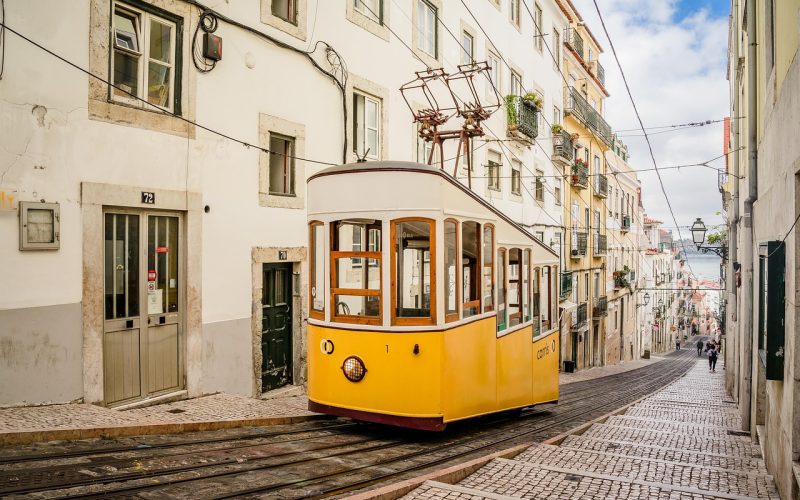
When most people dream of Portugal, their minds drift to the iconic yellow trams of Lisbon or the sun-drenched beaches of the Algarve. While these are undoubtedly wonderful experiences, they represent just a fraction of what this diverse and captivating country has to offer. To truly connect with the soul of Portugal, consider building your journey not around a set path, but around a set of passions. A thematic approach allows you to craft a deeply personal and unforgettable adventure.
Instead of a rigid day-by-day schedule, let’s explore Portugal through its dominant narratives: its monumental history, its breathtakingly diverse nature, and its rich, soulful cuisine. This guide will help you weave these threads together to design a trip that speaks directly to your interests, transforming a simple vacation into a meaningful exploration.
The Historian’s Trail: Journey Through Portugal’s Past
Portugal’s history is a tapestry of Roman legions, Moorish caliphates, crusading knights, and seafaring explorers who redrew the map of the world. To walk this trail is to step back in time and witness the birth and boom of a nation. This isn’t just about visiting old buildings; it’s about understanding the forces that shaped the modern world.
Roman Roots and Medieval Marvels
Long before it was Portugal, this land was the Roman province of Lusitania. The best place to connect with this ancient past is Évora, the museum-city of the Alentejo region. Here, a beautifully preserved Roman Temple stands in the main square, a stark reminder of the empire’s reach. But Évora’s history doesn’t stop there; its medieval walls enclose a gothic cathedral and the hauntingly beautiful Capela dos Ossos (Chapel of Bones). Further north, Guimarães is revered as the birthplace of the nation. Its 10th-century castle and the Palace of the Dukes of Braganza are impeccably maintained, offering a tangible link to the dawn of Portuguese identity. For a truly immersive experience, exploring the fortified hilltop villages near the Spanish border, like Marvão and Monsaraz, feels like entering a living medieval fairytale.
The Age of Discoveries
No historical tour of Portugal is complete without acknowledging its golden Age of Discoveries. While Lisbon’s Belém Tower and Jerónimos Monastery are the unmissable monuments to this era, the story runs deeper. Travel to Sagres on the windswept tip of the Algarve, where Prince Henry the Navigator allegedly established his school of navigation. Stand on the cliffs and imagine the caravels setting off into the unknown. In nearby Lagos, confront a more somber side of this history at the site of Europe’s first slave market. Understanding this complex legacy is crucial, and a comprehensive guidebook like the Lonely Planet Reiseführer can provide invaluable context and background for these powerful sites.
Knights Templar and Sacred Sites
For a touch of mystery and legend, follow the trail of the Knights Templar. Their Portuguese headquarters, the Convent of Christ in Tomar, is a staggering architectural marvel. This UNESCO World Heritage site is a labyrinth of cloisters, chapels, and fortifications, culminating in the spectacular 12th-century Charola, the original Templar church. It’s a place that feels both sacred and secretive. To complement this, a visit to Braga in the north, known as the ‚Portuguese Rome,‘ offers a different kind of spiritual journey with its grand cathedral and the magnificent Bom Jesus do Monte sanctuary, with its iconic baroque stairway.
Nature’s Embrace: From Volcanic Islands to Lush Parks
Portugal’s natural beauty is as varied as its history. The landscape shifts dramatically from rugged coastlines and soaring mountains to serene plains and subtropical islands. For the active traveler and nature lover, Portugal is a playground of epic proportions.
The Wild Atlantic Coast
The southwestern coast, protected as the Parque Natural do Sudoeste Alentejano e Costa Vicentina, is one of Europe’s last wild coastlines. The best way to experience it is on foot via the Rota Vicentina, a network of walking trails. Whether you choose the inland ‚Historical Way‘ or the breathtaking ‚Fishermen’s Trail‘ that clings to the cliffs, you’ll be rewarded with stunning views, hidden beaches, and abundant birdlife. This type of trekking demands proper gear. A pair of sturdy Wanderschuhe is non-negotiable, as is a reliable Wasserdichte Regenjacke for the unpredictable Atlantic weather. Pack them efficiently in a quality Backpacking Rucksack along with a Faltbare Trinkflasche to stay hydrated on the trail.
The Mountainous Heart
Venture inland to discover the Serra da Estrela, mainland Portugal’s highest mountain range. In winter, it offers skiing, but in the warmer months, it’s a paradise for hikers and road-trippers. The landscape is one of granite peaks, glacial valleys, and crystal-clear lakes. It’s also the home of the famous Queijo da Serra da Estrela, a rich, pungent sheep’s cheese. A drive through the heart of the park reveals traditional stone villages that seem untouched by time. This is a quieter, more contemplative side of Portugal that rewards slow travel.
The Azores: A Mid-Atlantic Paradise
For the ultimate nature escape, fly to the Azores archipelago. These nine volcanic islands are a world apart, a land of verdant green craters, bubbling hot springs, and whale-filled waters. São Miguel, the largest island, is a perfect introduction with its iconic Sete Cidades twin lakes. Hike the crater rim, soak in the geothermal pools at Furnas, or explore Europe’s only tea plantations. For the more adventurous, the island of Pico is dominated by the cone of Mount Pico, Portugal’s highest peak. The challenging climb to its summit offers an unforgettable reward: a panoramic view of the central islands from above the clouds.
A Culinary Pilgrimage: Tasting Portugal’s Soul
To understand Portugal, you must eat and drink your way through it. The cuisine is honest, ingredient-driven, and deeply connected to the land and sea. Each region boasts its own proud specialties, making a culinary tour an essential part of any itinerary.
Port Wine and Douro Valley Delights
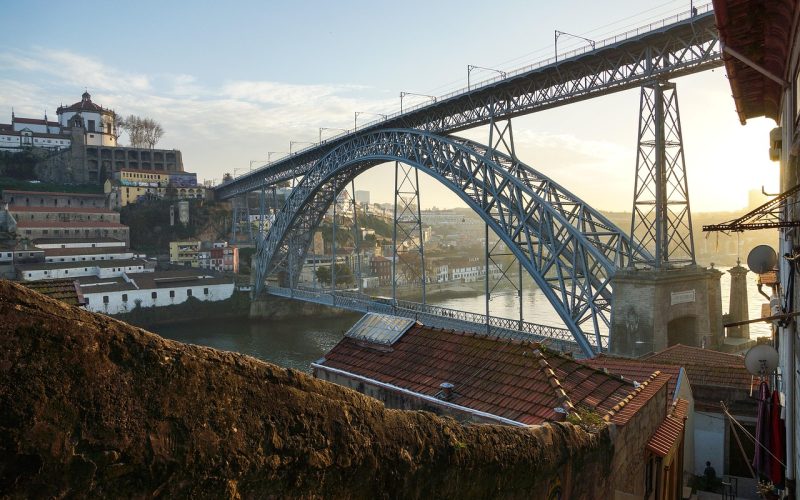
The Douro Valley is arguably the world’s most beautiful wine region. The steep, terraced hillsides plunging down to the Douro River are a UNESCO World Heritage site and the birthplace of Port wine. Base yourself in a ‚quinta‘ (wine estate) to fully immerse yourself in the experience. Take a boat trip on the river, tour the cellars, and, of course, participate in tastings. The journey from the coastal city of Porto, where the wine ages in historic lodges, up the river into the valley is a pilgrimage for any food and wine lover.
Seafood Sanctuaries and Coastal Feasts
With over 1,700 kilometers of coastline, it’s no surprise that seafood is the star of Portuguese cuisine. While Lisbon and Porto have fantastic seafood restaurants, the real magic happens in the smaller fishing towns. In Sesimbra, just south of Lisbon, you can watch the boats come in before feasting on grilled swordfish. In Nazaré, famous for its giant waves, the local specialty is dried fish. But for the ultimate experience, seek out a restaurant serving ‚Cataplana de Marisco,‘ a glorious seafood stew of clams, prawns, fish, and mussels, steamed in a traditional copper pan.
Alentejo’s Earthy Flavors
The vast, sun-baked plains of the Alentejo are Portugal’s agricultural heartland. This is the home of ‚porco preto‘ (the black Iberian pig), world-class olive oil, hearty bread-based stews (‚açorda‘), and powerful red wines. Alentejan cuisine is rustic, flavorful, and designed for sharing. A meal here is an event, a slow-paced affair that reflects the region’s unhurried rhythm of life. It’s the perfect culinary theme for those looking to disconnect and savor every moment.
Practical Planning for Your Thematic Trip
Weaving these themes into a cohesive trip requires some strategic planning. Here are a few tips to help you get started.
Getting Around Portugal
For a trip focused on the Lisbon-Porto corridor, the train system is efficient and comfortable. However, to truly explore the remote villages of the Alentejo, the mountains of Serra da Estrela, or the wild Atlantic coast, renting a car is almost essential. It gives you the freedom to follow your curiosity down winding country roads.
Essential Gear for Diverse Experiences
A multi-themed trip requires versatile gear. A lightweight Reisekoffer Hartschale is great if you have a home base, but for moving around frequently, a convertible Handgepäck Rucksack might be more practical. Don’t forget a universal Reisestecker-Adapter. A powerful Reise-Powerbank is a lifesaver for keeping your phone and camera charged, especially when hiking in national parks. For those quiet evenings in a rural quinta or long train journeys, having a Kindle Paperwhite loaded with books on Portuguese history or a good novel is the perfect companion.
Language and Connection
While English is widely spoken in tourist areas, learning a few basic Portuguese phrases (‚Bom dia,‘ ‚Obrigado/Obrigada,‘ ‚Por favor‘) goes a long way. It’s a sign of respect and can open doors to more authentic interactions. Carrying a small Sprachführer can be incredibly helpful and is always appreciated by locals.
By letting your passions guide you, your Portugal Reisen becomes more than a checklist of sights. It becomes a personal story—a journey through time, a dance with nature, or a feast for the senses. You can mix and match, spending a few days on a historical trail before retreating to the mountains or coast. Portugal is a country with a rich and layered identity; the most rewarding way to discover it is to create an itinerary that reflects your own. What theme will anchor your Portuguese adventure?