Beyond the Algarve: Why the Balkans Beckon
Thinking of Portugal for your next trip? Hold on. We pit the popular Atlantic destination against the rugged charm of the Balkans. Discover why your next adventure might lie east, with a journey through diverse cultures, complex history, and unbeatable value.
Einige Links in diesem Artikel sind Affiliate-Links. Wir erhalten eine kleine Provision bei einem Kauf — der Preis bleibt für dich gleich. So unterstützt du unsere Arbeit. Als Amazon-Partner verdienen wir an qualifizierten Verkäufen.
An Unexpected Travel Showdown: The Balkans vs. Portugal
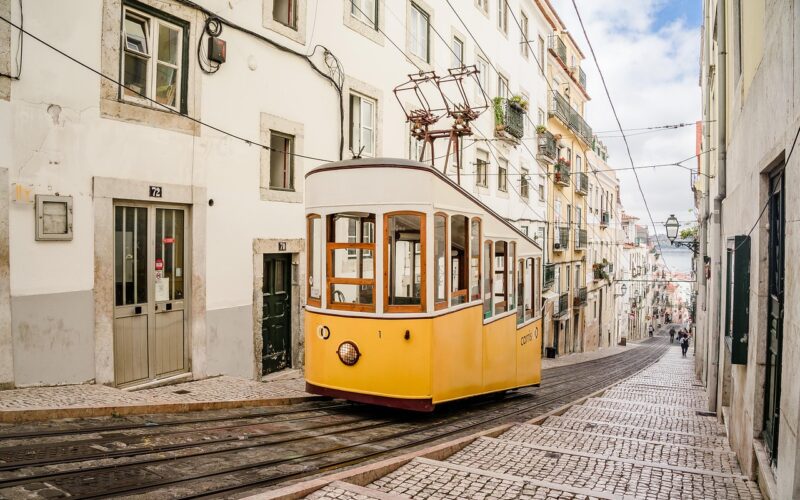
When planning a European escape, the mind often drifts west to the sun-drenched coasts of Portugal. Lisbon’s charming trams, the Algarve’s golden cliffs, and the reliable waves of the Atlantic have, for good reason, become staples of the modern travel circuit. It’s a fantastic, polished, and endlessly enjoyable destination. But what if you’re craving something different? What if you’re looking for a journey that feels less like a vacation and more like an exploration — a trip filled with raw history, staggering natural diversity, and a sense of discovery that’s increasingly hard to find? It’s time to cast your gaze east. This isn’t just a suggestion to visit the Balkans; it’s a case for why, for many travellers, a Balkan adventure might just be the more rewarding choice. Let’s pit these two incredible European regions against each other in a friendly travel showdown.
Coastal Clash: The Adriatic vs. The Atlantic
Both regions boast world-class coastlines, but they offer fundamentally different experiences. Choosing between them is the first step in defining your trip.
Portugal: The Wild Atlantic
Portugal’s coast is a singular, powerful entity shaped by the Atlantic Ocean. The Algarve in the south is a well-oiled machine of tourism, offering stunning golden beaches, dramatic grottos, and resorts for every budget. It’s predictable in the best way possible. Further north, the coast becomes wilder, a surfer’s paradise with legendary breaks in places like Peniche and Ericeira. The vibe is laid-back, the seafood is fresh, and the infrastructure is excellent. It’s the perfect setting for a classic beach holiday or a focused surfing trip.
The Balkans: A Mosaic of Coastlines
A Balkan coastal journey is an entirely different affair. It’s not one coast; it’s a multifaceted gem. Croatia famously offers over a thousand islands, from the party hub of Hvar to the tranquil forests of Mljet, all lapped by the crystalline Adriatic Sea. South of Dubrovnik, you’ll discover Montenegro’s Bay of Kotor, a spectacular fjord-like bay where mountains plunge directly into the sea, dotted with ancient stone villages. Venture even further to the Albanian Riviera, and you’ll find some of Europe’s last undeveloped beaches — pristine stretches of sand that feel a world away from the crowded hotspots elsewhere. The Balkan coast is about variety and discovery, hopping from a medieval walled city to a secluded cove in a single day.

A Tale of Two Histories: Imperial Grandeur vs. Complex Crossroads
Here lies the most profound difference. The history you encounter in these regions shapes every aspect of your journey.
Portugal: The Age of Discovery
Portugal’s history is largely a story of outward-looking ambition. In Lisbon and Porto, the legacy of its maritime empire is everywhere, from the majestic Belém Tower to the opulent Jerónimos Monastery. It’s a narrative of exploration, trade, and global influence. While fascinating, it’s a relatively cohesive and singular story that is beautifully preserved and presented for visitors. It’s history you observe.
The Balkans: Where Empires Collided
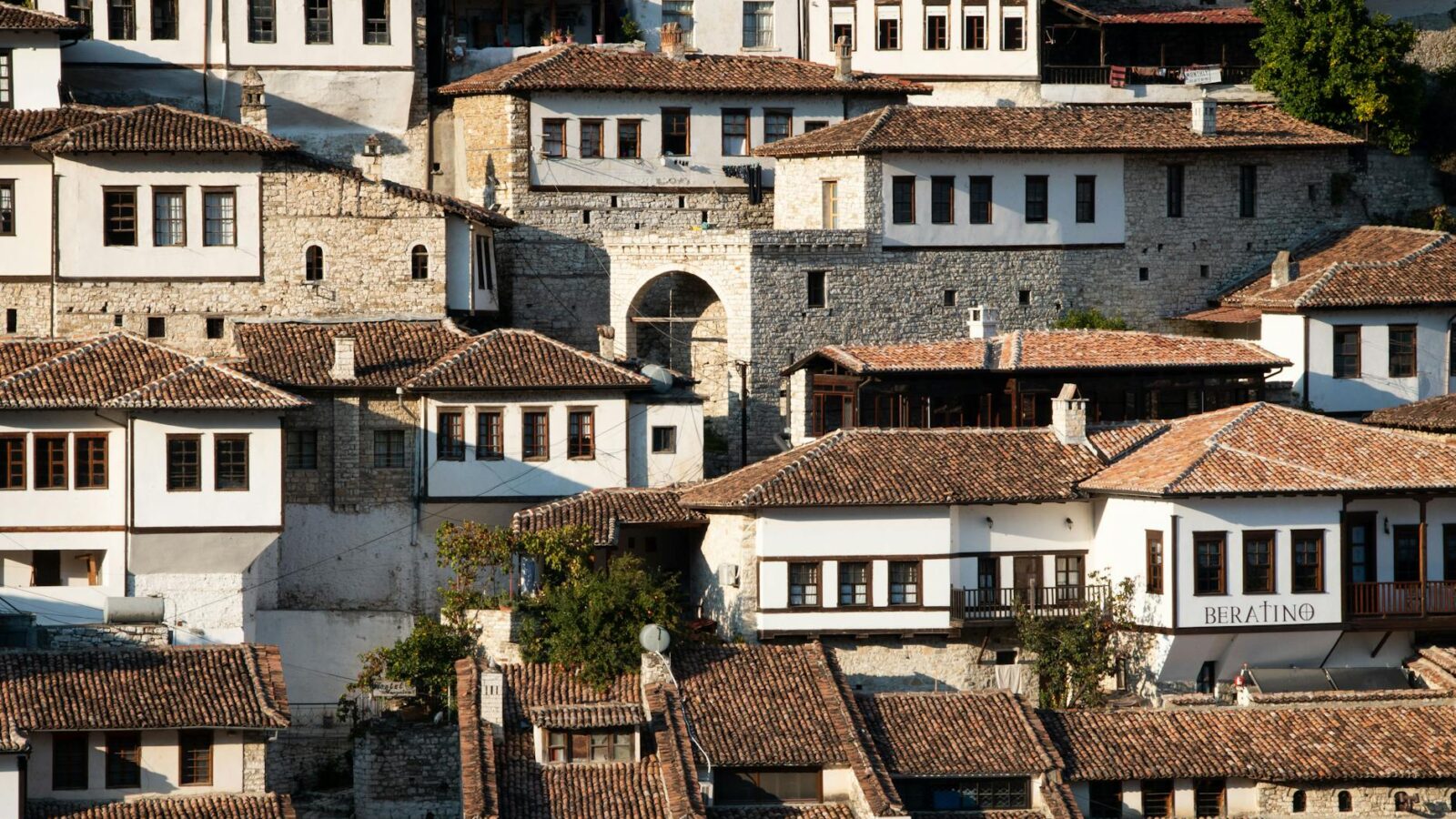
To travel the Balkans is to walk through a living museum of European history. This is a region that has been a crossroads—and often a battleground—for empires. In a single trip, you can explore the Roman Emperor Diocletian’s Palace in Split, wander through the Ottoman-era Baščaršija bazaar in Sarajevo, admire Austro-Hungarian architecture in Zagreb, and witness the Venetian influence in Kotor. More poignantly, the region is still processing its recent 20th-century history. A visit to Mostar’s rebuilt Stari Most or a conversation in Sarajevo offers a powerful, human-scale understanding of resilience that you simply cannot find in a textbook. To truly grasp these layers, a comprehensive guide like a Lonely Planet Reiseführer becomes an essential companion, not just for directions, but for context. In the Balkans, history is something you feel.
The Culinary Compass: From Grilled Sardines to Hearty Burek
Forget your diet; both destinations are a feast. But again, the approach is different.
Portuguese cuisine is a delight of fresh, simple flavours dominated by the sea. Grilled sardines, octopus salad, and the famous Cataplana de Marisco are must-tries. And of course, no trip is complete without a daily—or hourly—indulgence in Pastéis de Nata. It’s delicious, high-quality, and consistently good.
The Balkan culinary scene is a vibrant, hearty fusion of its historical influences. It’s where the best of Turkish, Greek, Hungarian, and Mediterranean flavours meet. Start your day with a warm, flaky Burek (a pastry filled with meat, cheese, or spinach). For lunch, grab some Ćevapi (grilled minced meat sausages) served with flatbread and Ajvar (a red pepper relish). For dinner, indulge in rich stews, slow-roasted lamb, or fresh fish on the coast. The food is diverse, intensely flavourful, and astonishingly affordable. It’s comfort food that tells a story of the land and its people.

Budget & Logistics: Your Euro’s Journey
For many travellers, this is the deciding factor. While Portugal is considered affordable by Western European standards, the Balkans are in a different league of value.
In Portugal, you’ll be using the Euro, and while prices are reasonable, costs for accommodation, meals, and activities in popular areas can add up quickly. Getting around is straightforward with an excellent train and bus network within the country.
Your money stretches significantly further in most of the Balkans (with the exception of peak-season Dubrovnik). Countries like Albania, Bosnia and Herzegovina, and Serbia offer incredible value. A delicious meal can cost a few euros, and a private room can be cheaper than a dorm bed in Lisbon. The logistics of a multi-country Balkan Reisen are part of the adventure. While there are some train lines, the region is best navigated by an extensive and affordable network of buses. This makes a durable Backpacking Rucksack the luggage of choice. Packing light in a good Handgepäck Rucksack allows you to stay nimble as you hop from one capital to the next. Remember that power sockets can vary between countries, so a universal Reisestecker-Adapter is non-negotiable. For the long but scenic bus journeys, a pair of Reise-Kopfhörer mit ANC and a loaded Kindle Paperwhite are your best friends.
Defining Your Journey: Which Traveller Are You?
Ultimately, the choice isn’t about which region is better, but which is a better fit for the trip you want to have right now.
Choose Portugal Reisen If…
You want a polished, relaxing, and relatively easy-to-navigate holiday. If your priorities are world-class surfing, beautiful beaches with ample amenities, and exploring one country with a cohesive culture and history, Portugal is a flawless choice. It delivers a fantastic European vacation experience every single time.
Choose Balkan Reisen If…
You crave adventure and a sense of genuine discovery. If you want to cover multiple countries, cultures, and histories in a single trip, the Balkans are unmatched. It’s the right choice if you’re fascinated by complex history, prefer mountains and rugged landscapes over manicured beaches, and want your travel budget to go the extra mile. For exploring dynamic cities like Belgrade and Tirana, the security of an Anti-Diebstahl Rucksack can offer welcome peace of mind. If you plan to explore the stunning national parks like Durmitor in Montenegro, packing a reliable pair of Wanderschuhe is essential.

The Verdict: Step Off the Beaten Path
Portugal will always be there, and it will always be wonderful. It is a cornerstone of European travel for a reason. But the Balkans offer something else: a chance to witness a region in dynamic transition, to connect with a history that is both ancient and immediate, and to experience a level of hospitality and authenticity that is truly special. It challenges you, rewards you, and changes your perspective.
So, as you plan your next trip, look beyond the familiar. Consider trading the Atlantic for the Adriatic. The reward is a journey that will stay with you long after you’ve returned home. Are you ready to explore Europe’s most captivating crossroads?